Wednesday, May 25, 2011

Health 

The number of ingenious concoctions we have derived for keeping ourselves healthy says as much about the number of ways we can get sick as it does about our inventiveness. We have many daily soothers and preventive medicines in our bathrooms. Laxatives and cough drops go back at least to ancient Egyptian times. We didn't know what vitamins were until it was discovered that the lack of them causes serious health problems-their discovery in the 20th century  revolutionized health.


Laxatives
Early natural laxative: high-fiber diet, castor bean oil, saline solution
The Latin constipare means 'to pack tight'. Constipation of the bowels has long been a problem, and people have sought laxatives to ease their suffering. Anthropological research suggests that the high-fiber diet of early people who gathered roots, berries, and grains and seldomly ate lean meat made them less susceptible to bloating and constipating than the higher fat diet of agricultural societies, who fed on livestock and milk. By the third millenium BC, people were reaching into nature's medicine cabinet for relief from irregularity.


The Egyptians and Mesopotamians of that time used a cathartic that remained popular until a few generations ago-castor bean oil. This pale, viscous oil was also used as a skin lotion. It lubricated the lining of the intestine. The beans themselves are poisionous, and too much oil can make constipation worse.


The Assyrians in the second millenium BC knew much about the science of laxatives. They used bulking agents such as bran, saline solutions o pull water into the intestine, which helps bulk up stool, and motility stimulants to create the bowel contractions (peristalsis) that move waste through the system. These three approaches are still used today-leafy vegetables and cereals, Epsom salts, and motility drugs. Another time-tested remedy is drinking lots of water.

Vitamin C

In 1971, Linus Pauling published a paper entitled 'Vitamin C and the Common Cold', he later said that the vitamin had anticancer properties, and recommended up to 200 times the recommended daily dose of 60 mg. He said that our ancestors lost the ability to make vitamin C, initiating the necessity for obtaining it from an outside source. Its collagen making role prevents illness by strengthening skin and blood vessels.


Vitamins
 Vita=life and amine=organic compound
The first breakthrough in the field of vitamins was a study of scurvy.

Almost all animals used vitamins. They are organic compounds essential for metabolism; they are either consumed in the diet or manufactured in the body. The need for vitamins becomes clear when the body isn't getting enough. They were unknown when scurvy was studied among sailors in the 1740's. The 'wasting disease', marked by weak gums and bleeding in the skin, killed more sailors than battle. Observing thousands of cases, and the habits of Dutch salors of the 1500's, it was recommended that lemon juice and citrus fruits be eaten on long voyages. In 1795, the navy adopted this simple fix, and when it did, scurvy disappeared right away. It was an ancient disorder, but when citrus was supplied on the vessel, the missing nutrient-ascorbic acid, vitamin C, was supplied. Dietary science was born. A Japanese physician similarly cured sailors' beriberi with supplements of meat and vegetables in 1882. The disease was caused by lack of thiamine, vitamin B1. In 1897 it was shown that unpolished (unhulled) rice protected against berberi. Vitamins, are organic compounds vital to life. Scientists persisted  in trying to isolate these accessory food factors, substances not in the basic fats, carbohydrates, proteins, minerals and water. The first vitamin isolated in pure form was thiamine, in 1926.

Cyanocobalamin (vitamin B12) was isolated in 1948, but in previous decades a medical scientist isolated what he called an intrinsic factor. It was found in normal gastric secretions, but not in the secretions of people suffering from pernicious anemia. He also noticed that anemia patients who ate lots of liver improved. Further study showed that there was an extrinsic factor that somehow got into the body from outside. The helpful bacteria interacted with gastric juice to synthesize a protein substance that aided in digestion.  These bacteria contain extrinsic factor, vitamin B12.


Cough drops
Early use 1200 BC Egypt
Also known as 'attractive woman' in South Africa

Medicines to suppress coughs by relaxing the throat date back to about 1200 BC Egypt in the form of hard candies in flavors such as elm bark and citrus. Some cough candy lozenges are flavored with an alcohol of mint oil called menthol, which has a mild numbing effect.


First Aid

What do we do when we cut ourselves, get a headache or have indigestion? Often we do what people did thousands of years ago. First aid items from the forest include an aspirin-related compound from the willow tree, an astringent of witch hazel distillate, and time-honored formulas for antacids, which worked for ancient Sumerians and works as well an anything now.

Aspirin
Derived from salicylic compouns in willows
Developed into a drug in the 1890's
Common name: acetylsalicylic acid


The world's most famous medication, aspirin is the common name for acetylsalicylic acid. It was not made in a lab until the 1830s, but a related salicylic compound found in nature has been used for thousands of years.


Prescriptions on the 4000 year old Sumerian tablet of Nuppir show the cuneiform sign of the white willow. The Ebers Papyrus from 1500 BC Egpyt lists a willow decoction, likely from the bark or twigs, which was mixed with fig, frankincense, and beer, and boiled, strained and taken for 4 days to 'cause the stomach to receive bread'. Hippocrates (circa 460-377 BC), the Greek father of medicine, knew about the effects of this plant and prescribed a tea made from its leaves.


When 19th century science began exploring the mysteries of natural medicine, one the of the first plants investigated was willow. An active substance in the bark was extracted and named salicin. Later,  acetylsalicylic acid was produced, but it was a difficult process and was not an improvement over salicin for reducing pain and fever. In the 1890's, acetylsalicylic acid was rediscovered. Looking for a drug to help his arthritic father, a scientists made a new product out of it. Instead of using willow, he extracted salicin from meadowsweet (genus Spirea).


Classic Painkiller
Aspirin's forerunner, willow, has long been touted. Specific observations on its analgesic properties were made by Dioscorides, surgeon and botanist to Roman Emperor Nero in the first century AD. Using the Latin name Salix, he remarked on its painkilling and anti-inflammatory qualities: "the juice out of the leaves and bark ...doth help the griefs of the ears...and the decoction of them is an excellent fomentation for the gout." Next century, the famous Greek physican Galen recommended willow bark extract for cleansing and healing eyes that were inflamed or infected.


Antacids
The use of sodium bicarbonate originated with the ancient Sumerians


Sumerians 6000 years ago used medicines to settle their stomach-peppermint leaves were a useful tonic for indigestion. People living father back and eating a low of raw food may have used similar remedies for neutralizing stomach acids. The best-known antacid, Pepto Bismol, was developed as a  formula to help children suffering from diarrhea and vomiting, and contained oil of wintergreen.


Witch hazel
Popular wtih 8th century Anglo-saxons
Is thought to have magical properties
Common uses: antiseptic, cleanser, painkiller


Distillates of witch hazel bark have long been used as an ingredient in astringent and soothing lotions. The Anglo-saxons in the 8th century and beyond used the leaves and bark from this shrubby tree to make alcohol for cleaning cuts and burns. The plant is unusual in that it flowers in late fall. The thin-petaled yellow blossoms have a spidery, gnarled look, and they often cling to the bare limbs into winter. Another unusual trait is that the fruit capsules, after contracting in autumn, eject the seeds up to 30 feet.


The aromatic tree must have seemed very spiritual to the early dwellers of the British Isles. They believed it was magical. They believed a priest could use a witch hazel twig to locate a criminal in a crowd. A forked branch was applied as a divining rod-the forks were held in the hands, and the long end would dip down where there was underground water. In North America, Native peoples long knew of its healing properties. In the early 1600s, Native Americans taught the pilgrims in Massachusetts a way to brew witch hazel bark for a topical lotion to sooth aches, bruises and abrasions. In succeeding generations, Americans used Native Hamamelis virginiana prepations for a variety of purposes-as an anti-inflammatory, painkiller, antiseptic, deodorant, facial cleanser, and cosmetic foundation. One of the first commercial preparations was in the 1860s. It was sold to pharmacies in kegs, then bottled for sale to individuals.


Witch hazel has become a medicine chest standard. Its antiseptic tingle on a cotton pad is for many American women a standard skin care routine step, and a bottle of witch hazel sits in many home cabinets next to the hydrogen peroxide and rubbing alcohol.


Bloodletting was a standard practice even last century; it was derived from the ancient Greek idea that illness was caused by an excess of one of the four humors-blood, phlegm, choler (yellow bile), and melancholy (black bile).

Cauterization used to be done by using hot oil, and wounds were cleaned with wine and water.


Antibiotics
Ancient Egyptians put honey on wounds because not only did the sticky substance form a natural seal that kept bacteria out, but it also contains hydrogen peroxide, which acts as a healing antibiotic against sepsis.  Other cultures used bread or cakes on open wounds, having learned without fully knowing why that the naturally occuring penicillin-like molds that form on yeast-based foods counter bacteria well.


Pregnancy Tests
Primitive verions date to Egypt 1350 BC. A papyrus from that period described a pregnancy test in which a woman would urinate on wheat and barley seeds. If the barley grew, she was pregnant with a boy, if the wheat grew, it was girl, if neither grew, she was not pregnant. A 1963 test of this method showed that was not simple divination-70 percent of the time, urine of pregnant women helped the plants grow. Other Egyptian diagnostics included examining a woman's skin, her nipples for unusual pigmentation, and having a woman drink breast milk from a woman who has borne a son-vomiting would confirm a pregnancy.

In the Middle Ages, 'piss prophets' foretold pregnancy by examining the color of urine-pale lemon with a cloudy surface meant pregnancy., Another test mixed wine with urine, and since alcohol reacts with some proteins, the test may have been mildly useful.


Medicine droppers
These handy little devices derive from the common laboratory instrument, the pipette. A pipette, or dropper, is used to carry a measured amount of liquid from one place to another. In the case of the medicine dropper, with a rubber bulb top, it is used to bring liquid medicine from bottle to cup, or from bottle to mouth.


Midwife


Profession dates to ancient times
It was eradicated in  the Middle Ages, revived in the 17th century
Midwifery has been largely replaced by hospital care, but is making a comeback as there is increasing demand for it.


The English word 'midwife' means 'with woman', and ever since there was more than one female alive, women have been helping other women through the process of labor and delivery. The role was socially and culturally sanctioned. The Bible makes reference to midwives in several places, and in ancient Greece there was a requirement that a midwife be a woman who had herself already given birth.

English, colonial and later midwives had little or no access to medical texts, training, or proper supplies. Many midwives then and today believe that childbirth is a natural process, learned through the experience rather than classroom training. Midwifery became a victim of scientific advances that were needed, but crowded out the experience and wisdom of many 'old-fashioned' practices in childbirth, such as allowing a woman to sit, stand or lean during labor pains instead of being placed in lying position. Automatic cesarean sections, internal fetal monitoring, and twilight sleep anesthesia were not called into question until relatively late in the 20th century, during the 1970s, when women began to ask for midwives and new, accredited training courses and groups began to support them.


Creative Commons License
Singing Nettles Herbal Clinic by Amanda Dainow is licensed under a Creative Commons Attribution-NonCommercial-NoDerivs 3.0 Unported License.
Based on a work at singingnettles.blogspot.com.
Permissions beyond the scope of this license may be available at http://singingnettles.blogspot.com/.

©ALL TEXT AND IMAGES COPYRIGHT

Herbs to Drugs

"It's actually the spirit helping the spirit;
it is the doctor, the bed, the potion."
-Franz Grillparzer (1791-1872)

Medications and Potions

Everything has a history, and some of the most interesting history relates to the things we find in our bathrooms and medicine cabinets. Soap, nail polish, laxatives, and aspirin are so common that we rarely think about anything other than their price and effectiveness. Versions of these were available to consumers several millenia ago. Written records from the beginnings of Western civilization-Egypt, Greece and Rome-are filled with references to potions and medications similar to those we use today. Our knowledge of earlier use is limited by the fact that recorded history only goes back 6000 years before the present. One common theme that emerges is that while our ancestors often were on the right track with their natural remedies, they also used harmful substances-makeup that would poison the blood so slowly it was not suspected as a killer, toothpastes that destroyed tooth enamel, depilatories that left scars. On the other hand, nature's pharmacy sometimes yielded effective remedies-willow bark extract, which acts like aspirin, was used as a painkiller by the Romans. Many potions and medicines used long ago may have worked, but we would not want to use them today. Iron Age men used pine resin for hair gel, Romans rinsed their mouths with urine, cavemen shaved with volcanic glass. People did the best they could with what they had. They wanted to shave, or along the Nile, felt they had to for health reasons, so they formed the articles with what they had on hand. Improvements came with advances in technology. Not until the mid 19th century, with the science of chemistry and medicine firmly developed, did modern potion-making begin to take shape, and not until the 20th century did big industry take over.


Hygiene
This is one section sure to be an eye-opener to everyone. Soap, deodorant, toothpaste, shaving cream-those bathroom products that we depend upon every day to make us feel clean and fresh, have been around in one form or another for a long time. Toilet paper was not widely used until the late 19th century, but there were various substitutes that we may consider unpleasant today. The most basic hygiene product, soap, has been around since the earliest civilizations; chemical soaps have only been in use for the last 150 years.


Soap
Ingredients then and now:
600 BC-goat tallow and wood ashes
Today- vegetable oils, glycerin, sodium hydroxide

It seems to possess magical properties, a bar of soap. We rub our dirty hands on it and they come clean, and miraculously so does the bar of soap, ready for the next dirty user. The need to clean oneself seems instinctive and it's not surprising that the first cleansing agents came from plants. In the second millenium BC, the Hittites of Asia Minor washed thenselves with water and ashes from the soapwort plant, which contains a natural cleansing agent called saponin. Ashes from this and other plants form soluble salts called alkalines that have cleaning properties.

Actual soap came along in about 600 BC, thanks to the seafaring Mediterranean people, the Phoenicians. Without understanding the chemisty, they developed a soap made by boiling ashes, water and goat fat. What remained after evaporation was a waxy substance-soap.


Deodorant


The effort to make natural human body odors disappear seems to have been around as long as civilization. The Sumerians of the fourth millenium BC, who left records, wrote of their deodorants. Ancient Egyptians used perfumed oils, with a mixture of cinnamon and citrus, and a time-release device-a cone of perfumed fat that slowly melted in the heat. Greeks and Romans used perfumed oils.


Shampoo

from a Hindi work meaning to press or massage
Early shampoos used citrus extracts
Dry shampoo was a powder that absorbs oil

Products for cleaning hair date from as far back as soap, and the ancients probably knew as well as we that soap just didn't wash. The problem is not so much to get rid of the dirt but the sebum, an oil produced by glands in the skin. The early Egyptians came up with a smart solution-they washed their hair with a mix of citrus juice and a little soap. The citric acid cuts through the sebum. By the Middle Ages, a more refined hair product had been developed by combining soap with soda (sodium carbonate) or potash (potassium carbonate), from which soap itself is often made.

By the late 18th century, posh British salons offered hair washing massage called 'shampoo', from the Hindi for massage. They offered therapeutic massage or a champi (shampoo). Hairstylists used special preparations of shaved soap boiled with aromatic herbs such as jasmine and sandalwood.

Hair gel
The remains of an Iron Age man living in central Ireland in the third to fourth century BC were found. He was possibly the earliest known user of hair gel, made of plant oil and pine resin from trees that grew in Spain and southwestern France.
 
Toothbrush
Early model: ancient Egyptian chewstick

Earlier societies tried at least as far back as 3500 BC to clean their mouths. The Babylonians of that era rubbed their teeth with chewsticks: pencil-length twigs frayed at one end. They have been found in Egyptian tombs from 3000 BC, and are still used in some tropical areas. The sticks were taken from trees such as Garcinia kola, Salvadora persica, and Gouania lupiloides. The chewing released a mouth freshener and an aromatic odor, and the non-frayed end could be used as a toothpick.

The first real toothbrushes were invented by the Chinese in the 15th century. The handles were made of bamboo. About 300 years later they made their way to Europe.  A pioneering dentist, Fenchan Pierre Fauchard recommended in a 1728 publication that people rub their teeth and gums daily with a piece of natural sponge.


Toothpaste
Early teeth cleaners: pumice stone, urine

The Egyptians of 2000 BC used a toothpaste made of powdered pumice stone and vinegar. For the next 3000 years this formula-or variations on it-were used. The pumice whitened the teeth, but abraded enamel, promoting tooth decay. The Romans used urine instead of vinegar; it contains ammonia, which is an ingredient in some modern toothpastes to clean the teeth. The Greeks and Romans tried other abrasives-powdered charcoal and bark freshened the breath, the toothpaste was likely applied with a chewstick. The Romans also liked urine as a mouthwash, the wealthy imported theirs from Portugal.

Around 1000 AD Persians were cautioning toothpaste users against harsh abrasives. They liked gypsum, flint and honey. Not until the 1800s was sodium bicarbonate added, as a non-abrasive whitener to toothpaste.


Shaving Cream
Soap and water worked for hundreds of years. The soap could be churned up to a good, thick lather that held moisture in place and eased passage of the razor over skin. By the early 1800s special soaps for shaving were on the market. One of the first widely available was a walnut oil military shaving soap, a foaming tablet introduced in 1840. The viscosity and moisture-retaining properites of foam made it especially suitable as a shaving aid. The soap was placed in a cup, water was added, a brush was used to stir up a lather, which was then applied to the face.


Toilet Paper
An item we consider a necessity today was unheard of 150 years ago. The use of paper for personal hygiene can be traced to the first century, but it was rare until paper became more common aorund the 18th century. Ancient Romans used sponges on a stick, then replaced them in a bucket of brine. People preferred wool, cotton or lace, but used whatever was handy. Early Americans favored the corn cob. As paper became widely available, bathrooms and outhouses were generally equipped with old newspaper, flyers and catalogs.


Tampons
To absorb menstrual blood, Egyptian women used soft papyrus or pellets of linen held together with gum arabic. In the 5th century BC, Greek physician Hippocrates wrote that women used lint wrapped around a sliver of wood. The ancient Romans often used wool, the Japanese paper, and Indonesians vegetable fibers, and the equatorial Africans grass. Through the 19th century, American women used whatever they had-old rags or towels that could be washed and reused.


Beautification
Early cosmeticians were inventive in finding natural products that safely enhanced beauty
Ancient kohl, used to outline eyes in Egypt, contained local burnt almonds, applied with wood
Egyptian lipstick contained vegetable oils

 Kohl was also used on children to prevent eye diseases.
Henna is a reddish dye that was available to many ancient cultures and was most likely one of the earliest lip paints.


Rouge
Early ingredients: mulberry, roots, wine dregs
Several early rouges, like other cosmetics, date from several thousand years BC. They were applied to cheeks or lips, made of mulberry, seaweed, other vegetation, colored with polderos, a root that Greek women used. Similar to alkanet and henna, the red dye gave non-courtesans one of their few options for beautification. Roman women preferred covering their cheeks and lips with dye made from red ocher and wine dregs.

Foundation 
Honey and beeswax were affordable ingredients for ointments and foundation.  During the lean years of World War II, English women often used vegetable oil as a foundation for facial powder.

Nail polish
Ancient Egyptians dyed their fingernails with henna and other natural plant dyes, but the first paint for the nails was developed in China around 3000 BC. It contained beeswax, eggwhite, vegetable dyes, gum arabic.

Ancient Greeks favored light-colored hair; to turn locks golden, they sprinkled yellow pollen, flour and gold dust in their hair. Sunlight was also popular for making hair fair. In the fourth century BC, men would wash their hair with a special ointment, then sit bareheaded in the sun by the hour, waiting for their hair to turn a beautiful golden blond. At the same time, Roman men liked dark hair, but not if it went gray; they used a black dye of boiled leeks and walnut shells. In the first century AD, women bleached their hair by washing it with a soap made of beechwood ash.  The Italian court in the 16th century influenced a preference for yellow and golden hair, for which they used a plant-based dye.


Wigs
Egyptian wigs were made from palm
Palm fibers were used to make elaborate wigs, braided or curled from at least 3000 BC. The Egyptians held them in place with beeswax.


Perfume

Descended from incense, early use of scented oils: bathing and embalming
 Perfumery began more than 8000 years ago with burning incense at religious ceremonies. The word perfume is from the Latin, 'per' (through) and 'fumus' (smoke). The fragrant gum resins and woods were often burned to cover the smell of sacrifices. Frankincense, myrrh, spikenard and cassia (a cinnamon bark) were typical ingredients.

By 3000 BC, the Egyptians and Sumerians of Mesopotamia were using scented oils for both embalming and bathing. Essences of iris, jasmine, hyacinth, honeysuckle and cardamom would be fixed in animal or vegetable oils and applied liberally. The Greek women applied perfumes copiously, such as rose and gillyflower (carnation) perfumes made from the flowers: so also was the perfume called Susinon-namely lilies, also the  bergamot mint and tufted thyme, kypros, and saffron. The earliest Eau de perfume was 25 percent fragrant oils, cologne 3 percent.

A light, alcohol-based perfume was named cologne, and made by blending orange bitters, lemon spirits, and oil from bergamot fruit.


Depilatories
Less toxic depilatory creams were historically made from medicinal plants such as bryonia.
A 19th century home recipe for a depilatory uses polypody of the oak, where it is cut into very small pieces and added to white wine in hot water or a vapor bath.

In the late 1800's, there was an early form of waxing, by spreading galbanum, a resin.  Ancient techniques were natural, such as sugaring, from the Middle East.


Creative Commons License
Singing Nettles Herbal Clinic by Amanda Dainow is licensed under a Creative Commons Attribution-NonCommercial-NoDerivs 3.0 Unported License.
Based on a work at singingnettles.blogspot.com.
Permissions beyond the scope of this license may be available at http://singingnettles.blogspot.com/.

©ALL TEXT AND IMAGES COPYRIGHT

Introduction to Herbal Medicine workshop


“Introduction to Herbal Medicine”
With Clinical Herbalist Amanda Dainow
Sister's Alternative Stuff Open House Event
Saturday, June 25
11 am-noon
171 Main Street Wolfville


In this workshop, you will learn:
-what Herbal Medicine is
-how it can effectively address your health conditions
-the History and Development of Herbal Medicine, from traditional medicine
to modern Scientific Clinical research supporting its use
-you will learn about Ayurveda, The Science of Life
-flower essences-what they are and how they address behavioral/emotional
issues in people and animals
-medicinal properties and uses of spices and culinary herbs
-how a Clinical Herbalist works with a client to address his/her unique
health needs
The presentation includes a slide show with lots of photos from my garden!
I will also discuss Natural Animal Care.


Please pass this on to anyone you think may be interested.  We look forward to seeing you!

Amanda Dainow is an accredited Clinical Herbalist. She is Certified in Holistic Care for Animals, and is the Founder and Director of North Mountain Animal Sanctuary.  She offers Herbal Medicine consultations, Natural Animal Care consultations, Life Coaching and Reiki for animals and people. Phone consultations available. She offers public workshops on Herbal Medicine and Natural Care for Animals. She has a full dispensary.


Amanda Dainow - Clinical Herbalist facebook: Singing Nettles Herbal Medicine Clinic
website: www.singingnettles.ca
blog:
http://singingnettles.blogspot.com
e-mail: singingnettles@hotmail.com
phone: 902-538-3662


Sister's Alternative Stuff
Facebook: Sister’s Alternative Stuff

www.sistersalternativestuff.com
902-542-1135


Creative Commons License
Singing Nettles Herbal Clinic by Amanda Dainow is licensed under a Creative Commons Attribution-NonCommercial-NoDerivs 3.0 Unported License.
Based on a work at singingnettles.blogspot.com.
Permissions beyond the scope of this license may be available at http://singingnettles.blogspot.com/.

©ALL TEXT AND IMAGES COPYRIGHT

The Wisdom of Trees

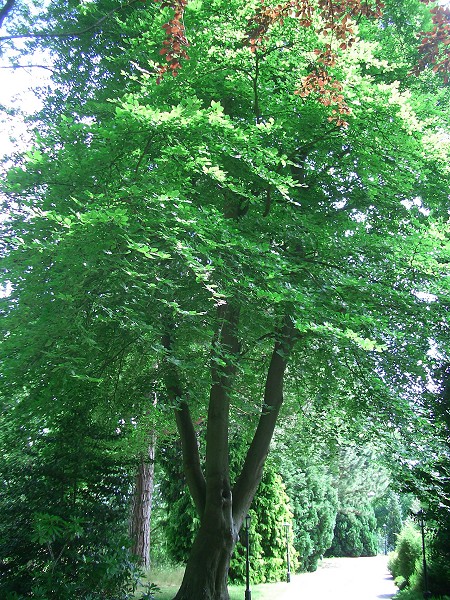
Beech
 In the Acadian Forest, each native tree species has unique uses and values. Before Europeans settled in the Maritimes, the many different tree species provided a wide range of foods, tools, medicines, and building materials for the Maliseet and Micmac people, who later passed this knowledge on to the settlers.


Beech Fagus grandifolia Hetre a grandes feuilles
In mythology, the Beech symbolized ancient knowledge or wisdom and the the words beech and book are derived from the same origin, Oe Boc.  One of the tastiest nuts of the Northern woods, it was once ground into flour, pressed to make a cooking oil or used to make a coffee-like drink.


Balsam Fir  Abies balsamea Sapin baumier
Due its fragrant and soft needles it is well used for wreaths. Various oils are extracted from the needles for their medicinal properties or soothing remedies for sore throats ands coughs. It is the provincial tree of New Brunswick.

Black spruce  Picra mariana Epinette nouire
Spruce beer is made by steeping the young shoots and adding molasses, maple syrup, or honey, which is fermented with yeast. This was the drink of the working class and consumed extensively to prevent scurvy for over a century.

Red spruce

Red spruce Picea rubens Epinette rouge

It is the preferred tree for collecting and making spruce gum. Try this woodfland novelty by collecting th sap, boiling it until completely dissolved, and pouring it onto a greased cookie sheet. It is the provincial tree of Nova Scotia.


Eastern Hemlock  Tsuga canadensis Pruche de l'est
The young needles are steeped in water to make a stimulating and medicinal tea which is high in vitamin C. The pleasant tea was widely brewed by the native people and in lumber camps.

Sugar maple Acer saccharum Erable a sucre

Maple syrup was traditionally made by the Eastern woodland native people, who boiled or froze the sap, leaving behind the delicious syrup and sugar, rich in minerals.

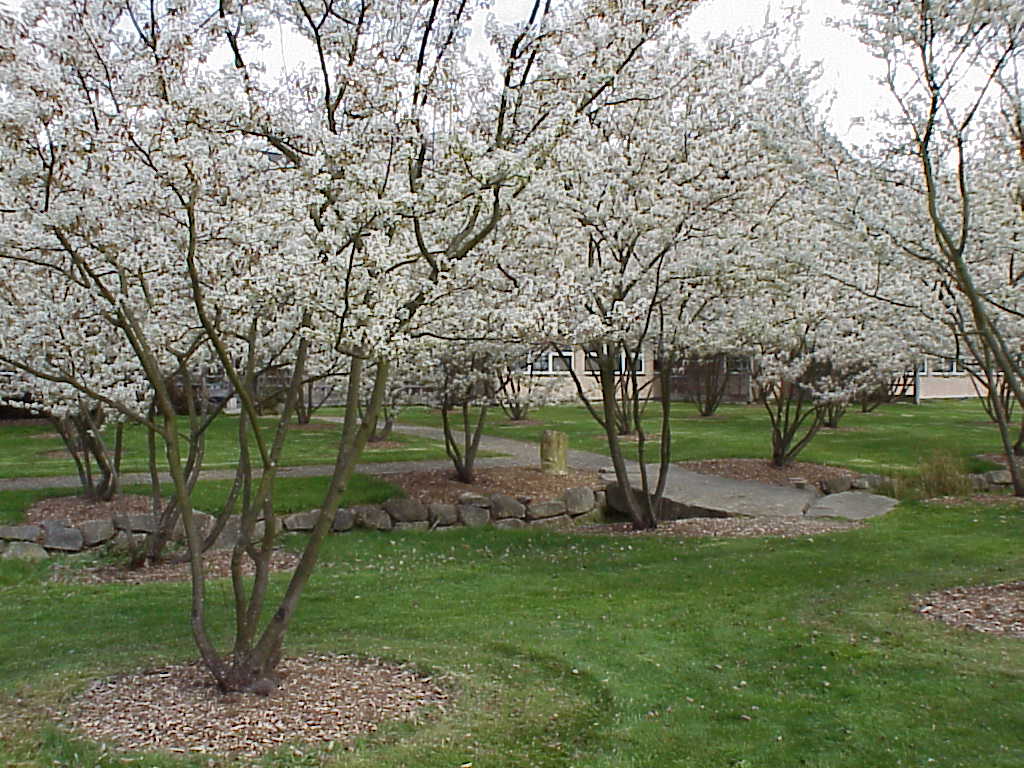
Serviceberry


Serviceberry  Amelanchier arborea Amelanchier
It was used by native people to make pemmican (dried food made up of meat, berries and nuts). The abundant fruit is delicious when eaten fresh or used in pies, puddings, muffins, jams and jellies. They are blooming now!

Yellow birch  Betula alleghasniensis Boulear jaune
It is an aromatic tree, with a strong smell and taste of wintergreen from the buds and twigs. Year round, the twigs can be steeped to make a delicious tea. In spring, it can be tapped and the sap boiled down to make a wintergreen syrup.

Butternut

Butternut  Juglans Cinerea Noyer cendre
Native people roasted, crushed and boiled the butternuts in water, removing the oil on the surface, which cooled to a butter-like consistency. The trees can be tapped in spring to make a sweet syrup.

Balsam poplar  Populus balsamidera Peuplier baumier
The large buds have medicinal qualities. In early spring, the buds can be boiled in oil to make a salve for sprains, swellings, and pulled muscles.

Largetooth aspen


Largetooth aspen  Populus grandidentata Peuplier a grandes dents


Logs can be used to cultivate a delicious mushroom Pleurotus. Fresh logs are inoculated with the fungus, within 1 or 2 years, edible oyster mushrooms are produced.

Trembling aspen  Populus tremuloides Peuplier faux-tremble 
Is used to make a flower essence.

Black cherry

Black cherry  Prunus serotina Crisier tardif
The purple-black fruit is juicy and slightly bitter; it makes great jelly, wine, syrup, or is used in pies and muffins. WARNING: the bark, leaves and seeds are toxic and should be avoided.

Bur oak  Quercus macrocarpa Chene a gros fruits
The latin species name for this tree is macrocarpa, meaning large fruit or acorn. Native people collected the edible nuts in the fall, and dried and ground them into a rich, nutritious flour.


Red oak

Red oak  Quercus rubra Chene rouge
Traditionally, many rural people planted oaks to attract lightening away from their homes. A lovely yellow dye is made from the bark. It is the provincial tree of PEI.

Black willow  Salix nigra Saule noir
The native people used the bitter bark to soothe headaches, fevers, arthritis and rheumatism. The bark contains salicin or salicylic acid, which was chemically replicated to make aspirin. The white willow bark is also used medicinally, I use it in the form of a tincture for the same uses.


Common non-native trees
Black locust  Robinia pseudoacacia
It can fix nitrogen in the soil, creating a more fertile lawn. It also produces large hanging blossoms that attract honeybees.


Horse chestnut
Horse Chestnut Aesculus hippocastanum
This is a wonderful vascular tonic-I have used it in tincture blends for restless legs syndrome.


Linden

Linden Tilia cordata
Littleleaf linden is a common shade and street tree that is widely planted, including in downtown Halifax. The fragrant flowers can be collected in summer, dried and made into an herbal tea. It is excellent for the cardiovascular system, and all can enjoy its resplendent beauty.


Creative Commons License
Singing Nettles Herbal Clinic by Amanda Dainow is licensed under a Creative Commons Attribution-NonCommercial-NoDerivs 3.0 Unported License.
Based on a work at singingnettles.blogspot.com.
Permissions beyond the scope of this license may be available at http://singingnettles.blogspot.com/.

©ALL TEXT AND IMAGES COPYRIGHT

Tuesday, May 3, 2011

Introduction to Herbal Medicine workshop

“Introduction to Herbal Medicine”
With Clinical Herbalist Amanda Dainow
Sister's Alternative Stuff Open House Event
Saturday, May 14
11 am-noon
171 Main Street Wolfville


In this workshop, you will learn:
-what Herbal Medicine is
-how it can effectively address your health conditions
-the History and Development of Herbal Medicine, from traditional medicine
to modern Scientific Clinical research supporting its use
-you will learn about Ayurveda, The Science of Life
-flower essences-what they are and how they address behavioral/emotional
issues in people and animals
-medicinal properties and uses of spices and culinary herbs
-how a Clinical Herbalist works with a client to address his/her unique
health needs
The presentation includes a slide show with lots of photos from my garden!
I will also discuss Natural Animal Care.

We look forward to seeing you!
Amanda Dainow is an accredited Clinical Herbalist. She is Certified in Holistic Care for Animals, and is the Founder and Director of North Mountain Animal Sanctuary.  She offers Herbal Medicine consultations, Natural Animal Care consultations, Life Coaching and Reiki for animals and people. Phone consultations available. She offers public workshops on Herbal Medicine and Natural Care for Animals. She has a full dispensary.

Creative Commons License
Singing Nettles Herbal Clinic by Amanda Dainow is licensed under a Creative Commons Attribution-NonCommercial-NoDerivs 3.0 Unported License.
Based on a work at singingnettles.blogspot.com.
Permissions beyond the scope of this license may be available at http://singingnettles.blogspot.com/.

©ALL TEXT AND IMAGES COPYRIGHT

Friday, April 29, 2011

The Mysterious Behavior of the Cat


The cat is a much loved and well-known animal. In Western countries it has become one of the most popular companions; on farms it has been valued as a rodent catcher for centuries. Loved and familiar though it is, the cat remains an enigma. He is friendly to people and yet, Rudyard Kipling said he "walks by himself", accepting comforts of the human home while behaving as though he is fully independent. These paradoxical qualities cause some to mistrust and even hate cats. The cat, more than any other domestic animal, has been as much persecuted as it has been appreciated. It is featured in fables and myths. Even many cat lovers treat them as mysterious. However, in a time in which a great deal has been discovered about the biology of behavior, many of the cat's former secrets have been revealed. Cat people often make careful observations of their cats, but most people also appreciate that each cat has a distinct personality. It is hard and often misleading to make generalizations about the cat. The body of knowledge has expanded in recent years, so that more statements  backed with evidence can now be made both about the common features of domestic cats and about the origins of their differences. Interest in the cat is widespread due to its predatory activities and abilities and its popularity as a companion animal.


Though a lot has been learned in the last few years about the behavioral biology of the cat, a great deal more remains to be discovered. Whether or not the cat walks by himself, he still keeps some of his secrets to himself.

As a cat grows up, its behavior develops with regularity and consistency. Cats are adaptable and changeable in their behavior, responding sensitively to changes in their environment. They are highly variable in their habits. Some cats spend much of their time hunting, while others rarely leave the comfort of the armchair. Their behavior depends on factors that are inherited, and on the cat's experience, a part of which it actively seeks.  Early handling has a number of effects on the behavior and physical development of cats; handled animals tend to develop more quickly. The quality of early nutrition has effects on development as well.

Cat Relationships
Cats form strong social relationships with familiar individuals, usually close kin. In groups of feral cats, kittens often suckle from females other than their mother. Humans and members of other species can be included in the social group and responded to with affection if they are encountered by the cat when it is young. Despite a basic ability to respond socially towards people, adult cats and kittens show individual variation in their friendliness towards humans, whether familiar or unfamiliar.

Kittens who are separated from their mother too early (at least 2 weeks) develop a variety of behavioral, emotional and physical abnormalities. They become unusually fearful and aggressive toward other cats and people, show large amounts of random and undirected locomotor activity, and do not learn as well. Some develop asthma-like respiratory disorders.

Kittens raised with other species, ie rats, never kill rats of the same strain when they grow up. Kittens whose social companions during early life were rats form social attachments to rats, inhibiting later predatory responses to them. However, when given the opportunity to form social bonds with other kittens as well as rats, other kittens are preferred.  They show a distinct tolerance of rats and reduced predatory response towards them. Willingness to try new food and preferences for specific types of food appear to be strongly influenced by the mother. When given a new food with the mother, they eat it. When on their own, they do not eat it until they have been exposed to it for a longer time. Young cats are well adapted to learning from their mother, and show a strong interest in and ability to learn from the behavior of other cats. This is generally found in many species and is known as social learning. Kittens usually kill the type of rat they have seen their mother kill when young.

Social Learning
Adult cats also show social learning. Kittens who watch their mother perform a task acquire the response quickly, but kittens who acquire the response by trial and error do not. Kittens watching the mother learn sooner than kittens who observe a strange female; social leaning works if the model cat is familiar to the observer.

Cats observe the actions of a human leaving the room, but acquire some learned responses faster by observing another cat than by conventional conditioning practices. Observing another cat acquire the response important, and has a more beneficial effect than watching another cat perform a skilled response that has already been learned.


Siblings are important in social development. Social play and object play develop at different times, showing that these forms of play are separately organized and controlled. Even in terms of the motor patterns used, object and social play differ distinctly in a number of ways, e.g. repetition of certain motor patterns occurs frequently during object play but rarely during social play.
Play is not needed for at least the basic element of predatory behaviors to develop. Play may have subtle beneficial effects on predatory skills.

Behavioral Traits
The kitten's development is well organized. The systems that generate the intricately integrated behavior of an adult cat seem to be goal-directed and are resilient to both internal and external disturbances. Most cats eventually become reasonably competent predators, regardless of the experience they have as kittens. Cats are versatile and adaptable, able to thrive in different environments.

Cats are individuals with distinct characters, similar to other cats in general responses, but different in others. Many cat people perceive their cat as a unique individual, as reflected in the popular literature on the cat, in which references to individuality and personality are common. There may be a link between coat color and certain behavioral characteristics.

In human personality, most behavioral traits can be grouped in to five broad categories known as "the Big Five" personality factors: Extraversion, Agreeableness, Conscientiousness, Neuroticism, Openness to Experiences. Maybe more relevant to studies of animals, child psychologists have identified a limited number of basic elements of personality: emotionality, sociability and activity. The categories are activity, reactivity and avoidance in octopi and confident, excited and sociable in rhesus monkeys. There are active and passive coping strategies, clusters of behavior shown in response to challenging situations, and the extent to which there are found as distinct response styles with a specific stimulus.

Genetic Factors

Genetic factors may exert some influence over behavior, which contributes to individuality of the cat. There are also behavioral difference between various cat breeds. Cat breeds are genetically distinct at certain loci, the differences in aspects of their behavioral style indicate that genetic factors may underlie some of the observed individual variation in behavior.

Another line of evidence linking variation in behavior to genetic variation comes from observations of behavioral difference between cats with different coat coloring. For example, cats carrying the non-agouti allele usually black, may be more tolerant of crowding and the conditions of urban life than those carrying the agouti allele. Red, cream or tortoiseshell colored kittens struggle for a longer time and make more escape attempts when handled by an unfamiliar person than kittens with other coat colors .
This line of thinking was extended by linking coat color polymorphisms and their underlying genetic profiles, to behavioral differences and their subsequent impact on social structure. They suggest that the orange allele may be linked to aggression in males, while some other mutations, such as the non-agouti, are linked to greater amicability and grouping tendencies. This explains why the orange alleles tend to be found at relatively low frequencies, at least in urban environments, compared with other more recent mutations, such as the non-agouti and the blotched tabby.  In urban environments, where cat densities can be very high, aggression is not related to reproductive success of males as a result of the promiscuous mating system. Aggressive males can actually lose mating opportunities due to their intolerance of other male cats and because they spend their time fighting rather than mating. In contrast, successful males mat be seen sitting patiently waiting for their opportunity to mate a female in oestrous, and sperm competition, rather than physical combativeness, seems to be the main mechanism in male mating success. Thus, aggressive males with the orange allele will on average have a relatively low degree of mating success. Despite being one of the most ancient coat color mutations, the orange allele has a small frequency.

In contast. rural cat populations tend to be at lower densities, with cats more widely spread. Dominant males can monopolise females more, and aggression may be more successful. Rather than a promiscuous mating system, a relatively high degree of polygyny appears to operate in rural areas. The orange allele is more common in rural environments. In certain circumstances, genetically linked behavioral traits may be favored.

A relationship between coat coloring and behavior appears to occur in a variety of other species, and a number of possible reasons for their occurrence have been suggested. Changes in coloring may directly influence the function of sensory organs. i.e. lack of protective pigment in the iris of albino animals leads to vision problems, especially in bright light, which may underlie some of their common behavioral traits, such as sluggishness of reaction. The mechanism underling coat color is linked to those underlying the control of behavior. Coat coloring pigments (melanins) are produced by the same biochemical pathways as the catecholamines, such as dopamine, which are important in brain activity.

Genes controlling coat colour are located at positions on chromosomes close to other genes which have some influence on the function of the nervous system,  i.e. blue-eyed white cats and white cats with orange eyes are often deaf. Genetically-induced defects affect behavioral. The gene involved in the production of the white coat color my be positioned close to a gene which induces deafness in one or both ears, thus cats inherit both traits.

Environment
A kitten's early environment has a strong influence on its behavior later in life. Behavioral measures which are indicative of the characteristics of boldness and nervousness are influenced by a variety of different types of early experience. Kittens handled regularly during the first 45 days of life approach unfamiliar objects more rapidly, and spend more time close to them than non handled animals. Variation in boldness or nervousness may be directly related to variation in forms of early experience including the social environment and exposure to handling by humans, These aspects of early experience also have effects on other types of behavior.  Human handling (socialization) timing, amount of early handling of a kitten and the number of handlers influence its later friendliness to humans.


It may affect how kittens adapt to housing in animal shelters, cats who are not socialized with other cats show more signs of distress when group housed in a shelter than socialised cats, cats not socialised to people are more stressed in single and group housing than socialised cats. Cats can be described as tense, high strung, calm or anything else. There is a huge variation. Many different types of early experience can exert some influence on the expression of a specific behavior pattern at a later date; one aspect of early experience can influence a number of different types of behavioral characteristics.

Paternity and Friendliness
Genetic and environmental factors interact to influence the development of numerous behaviors in the cat. One factor which causes variation in kitten friendliness is paternity. Kittens of different fathers show varied friendliness, though they never see the father. Genetic factors caused this. A friendly father produces kittens who are more friendly, than does the less friendly father. The father’s friendliness when young and not when an adult can more accurately predict the friendliness of his kittens. Genes do not code for behavior patterns. Genes from the father generate a difference in behavioral characteristics by indirect routes, i.e. by affecting growth rate, which may in turn affect socialisation to humans in a colony situation and affect subsequent friendliness.
Variation in kitten friendliness is partly explained by kitten paternity. Paternal effects on kitten behavior may be attributed to breed differences between fathers, also, variation in early handling affects subsequent behaviors. Friendly father’s offspring who are handled during early life can be quicker to approach a person and spend more time with them than non handled kittens and the offspring of an unfriendly father. A friendly father’s offspring are quicker to approach and explore new objects. The effect on friendliness may be a more general effect on boldness, due to paternity, influencing a general response to unfamiliar or novel stimuli, regardless of whether it is a person or inanimate object.  Early handling has a specific effect on the cat's behavior towards humans-its friendliness. There is a degree of additive effects in the genetic and environmental effects on some of the cat's responses to humans. Friendly-fathered, handled cats behave in the most positive way to people, from the interactive effects of genetic and environmental factors on individual behavioral characteristics. The paternal effect on friendliness or boldness may only become expressed at a certain point of development and maturity.

Differences Along the Timeline
Early individual differences in predatoriness do not necessarily predict subsequent variation in the predatory abilities of older cats.  Variability of individual characteristics early in life, around 3 months, may not always predict subsequent individuality in the cat.

There are a number of other reasons why individual behavioral characteristics at one time may not relate to those at another, i.e. cats may develop at different rates and these differences may be clear at one age but not at another. The behavioral expression of particular characteristics may change with age, as may the factors controlling and functions of particular behaviors. In contrast, some studies have shown cross-time consistency in cat individual characteristics. Boldness and curiosity remain reasonably stable despite changing social environments. When cats are tested in groups rather than singly, they behave differently, showing that individual differences in behavior in a non-social context may become amplified when individuals are allowed to interact with each other. There develops a clear social ranking, which may influence individual behavior and cause the consistency of the patterns within a group. Friendliness is attributed to quick/noisy kittens who are more exploratory and quickest to investigate unfamiliar stimuli. These differences can be present from birth and persist into adulthood. Characteristics are also open to environmental influences.

Individual variation in characteristics, such as timidity and boldness, are present at birth or appear shortly after birth. It has been shown in different species that they are related to constitutional differences in the physiological characteristics of the individuals.  In wolves, the dominant cub in a litter differs in heart rate and other autonomic process in some test situations. Physiological systems change with time and situation as do behavioral ones.  Physiological differences are related to individual differences in behavior. There may be a physiological basis for certain personality traits, especially those present at birth and behavioral stability across time could be attributed to stability of physiological systems.  Certain measures of behavior change dramatically according to the contexts in which they are observed, while others are less variable.

Special Circumstances
When midway through a quarantine, cats are less relaxed, playful and more aggressive and nervous than prior. At release, they are more friendly, affectionate and timid. Three months later, they are more affectionate, nervous and vocal than before quarantine.  The interactions that their people could have with their cats were much more restricted in the small quarantine cages than at home. The experiences changed their relationship with their cat; they may have had expectations of how quarantine would affect the cats, and may have changed their behavior and perceptions accordingly. Time and context changes during the quarantine. Some of the changes may reflect true changes in cat individuality. Important real life contextual changes, such as moving and being quarantined or housed in a cattery may result in change in a cat's behavioral style. The context can dramatically affect a cat’s individual character. An aloof, placid and low-ranking cat can become aggressive, energetic and dominant if two cats must compete for one food reward. This has a marked effect on behavior, seen in social competition, even in the same individuals.

Relationship Between Cats and People
Relationships between cats and people may be especially open to contextual influence because in a social situation, the behavior of others has a strong effect on an individual's own behavior. Individuals may also develop complicated context-specific ways of behaving according to past experience with other individuals which act to conceal or constrain the expression of any underlying stable behavioral characteristics.  Contextual effects on individuality can be external contact or internal (e.g. hormonal) state of the animal.


Behavior Types
These terms are used to describe the behavior in a number of species, to describe individual differences: active/reactive, social and calm, which may underlie many of the behavioral differences in between individuals.  Others are active/aggressive, timid/nervous and confident/easy going, though some individuals do not fit into these groupings, showing that there is unlikely to be a limited number of easily definable cat personality types. An expression of friendliness could be the result of an interaction between an individual's general boldness in novel or challenging situations, its specific attraction to humans, both of which are affected by a variety of factors, and influenced by the current situation. There is a complex origin and development of individuality. Situational stability and different behavioral styles help cats to cope with caging or quarantine. This shows a new approach to understanding the consequences of these situations, which has important implications for animal welfare.


Creative Commons License
Singing Nettles Herbal Clinic by Amanda Dainow is licensed under a Creative Commons Attribution-NonCommercial-NoDerivs 3.0 Unported License.
Based on a work at singingnettles.blogspot.com.
Permissions beyond the scope of this license may be available at http://singingnettles.blogspot.com/.

©ALL TEXT AND IMAGES COPYRIGHT


Thursday, April 14, 2011

Vetyver/Ushira-You never know what you'll find out about herbs!

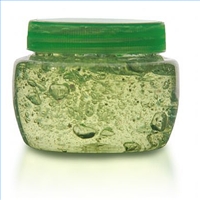
The label reads "This handmade natural bath scrub is made from the roots of pure Vetyver (Ramacham/Khus). Its medicinal properties refresh and rejuvenate the skin. Also an effective anti-septic." It smells delightfully clean and makes a lovely scrub, like a loufa.


Botanical name: Vetiveria zizanoides, Chrysopogon zizanioides
Commonly known as vetiver (derived from Tamil) is a perennial grass of the Poaceae family, native to India. In Western and Northern India, it is called khus or khus-khus (Hindi-Urdu:ख़सख़स/خسخس), leading to the earlier English names cuscus, cuss cuss, kuss-kuss grass, etc. 


Other names: Sevyah, Sugandhimula, Shitamulaka, Viranamula, Khas, Ganrar, Panni, Vettiver, Viranam,  Vetiver, Khus 


Botany: Ushira is a densely tufted perennial grass growing up to two meters and forms clumps as wide. It has tall stems and long, thin, rigid leaves;  the flowers are brownish purple. Unlike most grasses, which grow horizontally, spreading mat-like roots, vetiver's roots grow downward, 2–4 meters deep.  It has a branching rhizome and spongy aromatic roots. The smaller rootlets are cut to give a higher percentage of essential oil. The leaves are narrow, linear, erect and acute, with compressed sheaths. Ushira is found throughout India, Southeast Asia and China, in wetlands and plains up to 1200 meters in elevation, and is cultivated in other tropical and subtropical regions including Australia, Africa and South America, and in climates resembling the Mediterranean, such as Spain, Italy and southern California. The Sanskrit name Ushira  comes from the root word Ushi, which refers to an ancient people ,who lived in Northern India. Today Ushira is found either as a fertile, wild variety that originates from Northern India, or a mostly infertile, domesticated variety that is propagated by rhizome in southern India. 


Soil Restoration

Besides its medicinal use, Ushira roots are widely used for erosion control, soil conservation, reclaiming saline and acid sulfate soils, mine rehabilitation, and trapping industrial chemicals used in farming. Several characteristics of vetiver make it an excellent erosion control in warmer climates. Unlike most grasses, vetiver does not form a horizontal mat of roots; the roots grow downward, 2–4 meters. This makes vetiver an excellent stabilizing hedge for stream banks, terraces, and rice paddies. The close-growing stems also block the runoff of groundwater. Because vetiver propagates itself by small offshoots instead of underground stolons, it is noninvasive and can easily be controlled by cultivation of the soil at the boundary of the hedge. The  Vetiver System is a technology of soil conservation and water quality management based on the application of the vetiver plant.

Fuel cleaning

A recent study done in the Volcanic Institute in Israel by Dr. Nativ Dudai found out that vetiver is capable of growing in fuel-contaminated ground. The study also found that it can clean the ground, so that ultimately, the soil is almost fuel-free.


Constituents: The essential oil is obtained by steam distillation. It is dark brown, olive or amber, with a deep smoky, earthy-woody odor and a sweet persistent undertone. 

Perfumery and aromatherapy


Vetiver is mainly cultivated for the fragrant essential oil distilled from its roots. Worldwide production is estimated at about 250 tons per year. It is an extremely thick, dark brown, opaque oil, often used as a fixative in perfumery. It is used in 90% of all Western perfumes.

Vetiver essential oil can be used with animals (NOT cats).
The properties of the essential oil:

centering, grounding and can be used in calming blends
circulatory tonic
strengthens the immune system


 In perfumery, the older French spelling, vetyver, is often used.


Home Use


In the Indian Subcontinent, khus (vetiver roots) are often used to replace the straw or wood shaving pads in evaporative coolers. When the cool water runs for months over the cheap wood shavings in evaporative cooler padding, they tend to accumulate algae, bacteria and other microorganisms. This will cause the cooler to emit a fishy/seaweed odor into the house. Vetiver root padding counteracts this smell. A cheaper alternative is to add vetiver cooler perfume or even pure khus attar into the cooler's water tank. Another advantage of using vetiver roots in evaporative water cooler pads is that they are not as flammable, while (dry) wood shavings will catch fire at the slightest (electric) spark.


Mats made by weaving vetiver roots and binding them together with ropes/cords are used in India to cool rooms in a house during summer. The mats are usually hung in a doorway and kept moist by spraying them with water periodically; they cool the passing air and provide a cool and refreshing aroma. In the hot summer months in India, sometimes a muslin sachet of vetiver roots is tossed into the earthen pot that keeps the household's drinking water cool. Like a bouquet garni, the bundle gives its distinctive flavor and aroma to the water. Khus scented syrups are also sold.


Medicinal use
Vetiver has been used in the traditional medicine in South Asia, Southeast Asia, and West Africa. Ancient Tamil literature mentions the use of vetiver for medical purposes.


Ushira has been traditionally used in India as fragrant herb with cooling properties, referenced in its name, Sugandhimula, or ‘fragrant root,’ and Shitamulaka or ‘cooling root.’ The Tamil name ‘Vettiver’ refers to the highly dissected rooting structure. Although the medicinal properties of the wild and cultivated cultivars are essentially the same, the wild-sourced essential oil is slightly different and is usually more valued, thus is more expensive and more difficult to obtain commercially. The distinctly smoky, woody and earthy aroma of Vetivert, or Khus oil, has traditionally been valued in perfumery, on its own or as a fixative to balance the high and low notes of various perfume blends. Due to its earthy and woody scent, Khus oil combines especially well with oils such as Patchouli, Cinnamon, Sandalwood, and Ylang, and can be used in aromatherapy to treat Vata disorders including anxiety, depression, and seizures. The essential oil can also be applied topically over the head to relieve migraines and headaches, and in carrier oil in the treatment of joint inflammation, rheumatism and sprains. The aerial portions of Ushira are traditionally used to weave baskets and mats in India, which are hung over windows and sprinkled with water in the hot weather, causing it to release some of its volatile constituents, so serving as air-conditioning. 

In medicine, Ushira is pleasant and aromatic with a cooling energy, and is used in conditions of heat, including burning sensations, fever, inflammation and irritability. In the digestive tract, Ushira is applied in the treatment of vomiting, bilious dyspepsia, gastric and duodenal ulceration, diarrhea and dysentery, all associated with irritability and inflammation. Used as a powder and prepared as a cold infusion with Parpata (Fumaria indica-fumitory), Shunthi (Zingiber officinalis-ginger) and Udichya (Coleus vettiveroides), Ushira is used in the treatment of Pittaja fever, burning sensations, vomiting and thirst. Used as a paste with Chandana, Balaka (Coleus vettiveroides), Shunthi (Zingiber officinalis) and Vasaka, Ushira is applied with honey and rice water in the treatment of vomiting. To address poor digestion and lack of appetite, ama, and diarrhea associated with severe pain and hemorrhage, Ushradi churna is used, made up of equal parts Ushira, Balaka (Coleus vettiveroides), Musta, Dhanyaka (Coriandrum sativum), Shunthi, Lajjalu (Mimosa pudica), Dhataki (Woodfordia fruticosa), Lodhra (Symplocos racemosa) and Bilva. In severe thirst caused by a reduction of Pitta (fire), Ushira is made into a cold infusion with Ghambari fruit (Gmelina arborea), Chandana, Padmaka (Prunus cerasoides), Draksha (Vitis vinifera), Madhuka (Glycyrrhiza glabra-licorice) and powdered sugar. 

Combined with equal parts Durva (Cynodon dactylon), Kumudam stamens (Nymphaea spp.), Manjishta, Evavaluka (Prunus avium), Chandana, Musta, Raktachandana (Pterocarpus santilinus) and Padmaka (Prunus cerasoides), Ushira is decocted in ghee (clarified butter) prepared from goat’s milk, rice water and goat’s milk until only the ghee remains. This formula treats vomiting of blood and nosebleeds when taken internally, and can also be applied topically in passive hemorrhage. For burning sensations throughout the body, a cool bath is prepared with the powders of Ushira, Balaka (Coleus vettiveroides), Padmaka (Prunus cerasoides) and Chandana. Ushira is also used topically as a churna (blend), rubbed into the skin to remove foul odours, and is a treatment of chicken pox when combined with herbs such as Madhuka (Glycyrrhiza glabra), Triphala, Daruharidra (Berberis aristata) and Nilotpala (Nymphaea stellata).

For treating epilepsy, Ushira can be used as a powder and an incense combined with other Indian herbs to prevent seizure. It is used in a decoction with Nimba, Amalaki and Haritaki to treat Pittaja prameha, a disease with symptoms of polyuria with a deep colored urine that has a foul smell, pain in the bladder and genitalia, burning sensations, gastric reflux and diarrhea. Ushirasava, a fermented beverage that contains many ingredients, including Ushira, is used to treat innate hemorrhage, skin diseases, diabetes, intestinal parasites and edema Ushira is also an important ingredient in Yogarajaguggulu.


Yogaraja Guggulu is a purifying and rejuvenating formula, used traditionally to treat inflammatory conditions, such as osteoporosis, bone density, and arthritis, especially rheumatism and gout.

In the ancient Ayurvedic texts of India, the gummy exudate from boswellia is combined with other gum resins and referred to collectively as guggulu.

Key Ingredients:
Guggulu, Red plumbago, Long pepper, Picrorhiza, Black cumin, Embelia, Ajowan, Cumin, Himalayan cedar, Pepper, Cardamom, Costus, Greater galangal, Coriander, Indian gooseberry, Beleric myrobalan, Chebulic myrobalan, Puncturevine, Nutgrass, Ginger, Black pepper and Vetiver


Creative Commons License
Singing Nettles Herbal Clinic by Amanda Dainow is licensed under a Creative Commons Attribution-NonCommercial-NoDerivs 3.0 Unported License.
Based on a work at singingnettles.blogspot.com.
Permissions beyond the scope of this license may be available at http://singingnettles.blogspot.com/.

©ALL TEXT AND IMAGES COPYRIGHT